Through its fieldwork, the Climate Resilience through Biodiversity Conservation Project (PRCPB) supports local communities in Nosy Be in promoting their natural and cultural heritage. These participatory meetings and technical assessments reflect a shared commitment to building a future where economic development, social inclusion, and environmental protection go hand in hand.
Exchanges with the community of Marodoka!
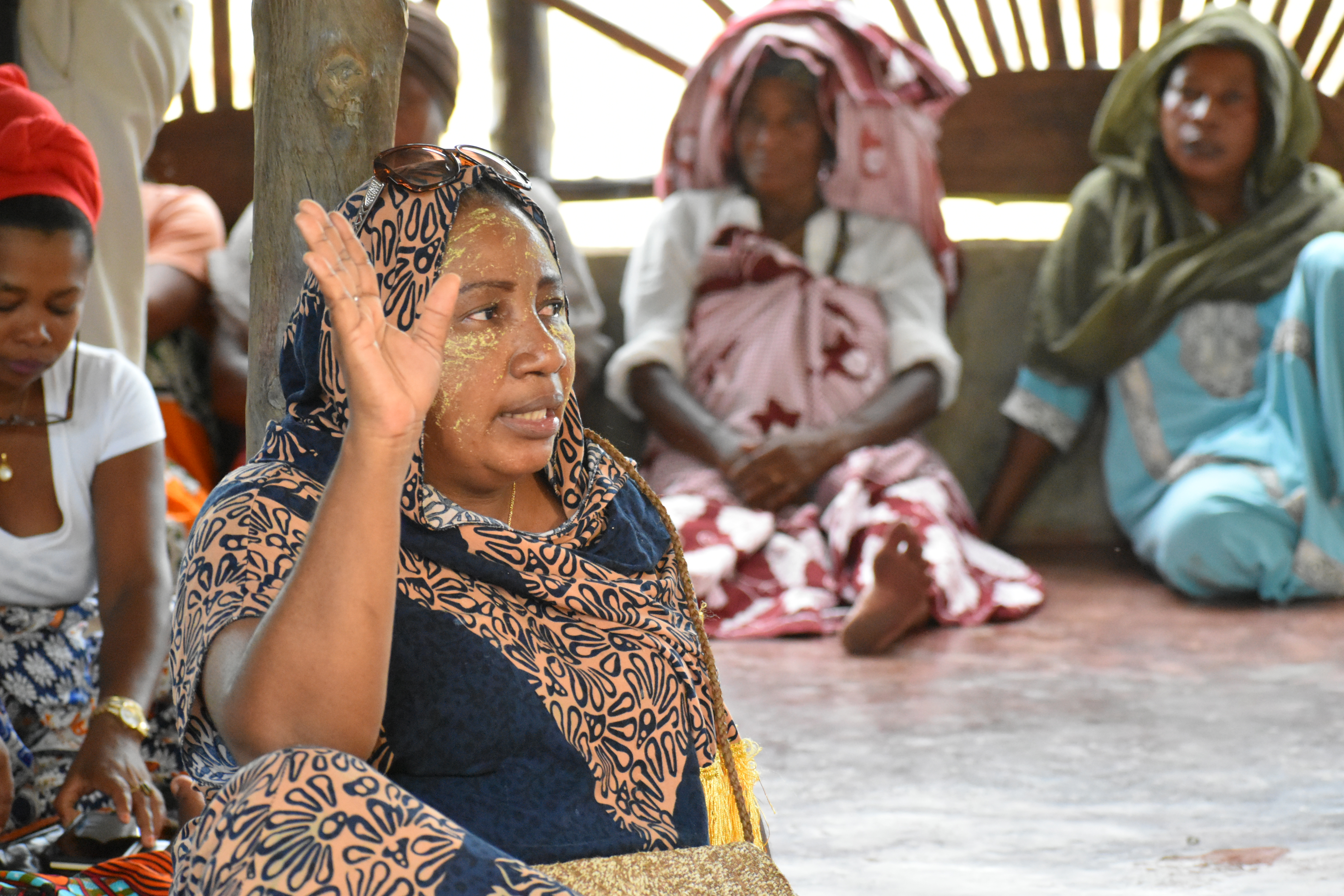
The field mission to Marodoka facilitated a participatory meeting with the local population and the Ravinala Women’s Association, a key player in community development. The discussions revealed an ambitious and well-structured vision. The community wishes to construct a multifunctional building comprising a dining area to welcome visitors and showcase local cuisine, a craft workshop dedicated to the production and transmission of traditional skills, as well as a retail space for the display and sale of local products.
To ensure the future building’s energy self-sufficiency, the installation of a photovoltaic system was proposed. This solution would reduce dependence on costly or polluting energy sources and serve as a concrete model of ecological transition for the village. The community has also expressed a need for specific equipment, such as modern kitchen appliances and sewing machines, to support artisanal production and diversify income-generating activities. These requests reflect a clear desire for empowerment, the preservation of cultural and natural heritage, and the creation of sustainable economic opportunities for women and young people.
Antafondro at the heart of the issue!

The mission carried out in Antafondro aimed to assess the existing infrastructure and provide an accurate assessment of current conditions. The water supply systems require rehabilitation work to ensure regular and safe access to drinking water. Social infrastructure, such as meeting halls, educational spaces, and health facilities, shows signs of deterioration and must be repaired to strengthen social cohesion and support local initiatives.
The community’s youth expressed particular interest in practical and vocational training in fields related to sustainable ecotourism. Learning foreign languages would facilitate welcoming visitors, while weaving, embroidery, and tour guiding would help promote the region’s crafts and its natural and historical heritage. From an environmental perspective, forest degradation has been observed at elevations above 300 meters, a consequence of a cyclone. However, encouraging signs of natural regeneration demonstrate the resilience of ecosystems. This visit underscores the need for an integrated plan combining infrastructure rehabilitation, the strengthening of local skills, and environmental protection.
🌱 Toward a better ecotourism experience in Mitsinjo and Kindro!

The Mitsinjo and Kindro trails, each one kilometer long, have undergone a technical assessment. Although the existing infrastructure is in place, it requires rehabilitation, particularly with regard to signage, footbridges, and rest areas.
The Antafondro trails are appealing for their richness, and more sustained maintenance would help unlock their full potential. Signs of fragility observed in the forest underscore the importance of careful management and concerted efforts to protect this living heritage.
The objective of this mission is to conduct a comprehensive assessment to determine priority investments. The goal is to enhance the park’s appeal, diversify the tourism offerings, and increase visitor numbers, while also promoting related services. The trails must also be adapted to different audiences—whether seniors, families, or athletes—to optimize the visitor experience by combining nature exploration, comfort, and cultural immersion.
📌 Ecology and biodiversity: active monitoring!

A specific mission was conducted to monitor lemurs and the permanent phenological monitoring plot. The objective was to assess the health of the ecosystem and analyze the potential impacts of climate change on the park. The observations identified a group of six lemurs and three Mantella ebenaui. This inspection of the monitoring systems aims to measure the project’s impact on biodiversity, define key indicators, and ensure long-term ecological monitoring. It will also serve to prepare for the terrestrial ecological monitoring training scheduled for 2026 by identifying capacity-building needs for field teams.
🌿 Institutional meeting in Nosy Be!

Finally, institutional meetings were held with the Prefect, the Mayor, and the CISCO Director. The school built by an Italian association is already functioning as a school center, but uncertainties remain regarding the land ownership status of the site. CISCO has prioritized the construction of a new school in Antafondro, equipped with teacher housing and infrastructure that meets standards, to address the shortage of classrooms and comply with the requirements of the Ministry of National Education.
These various field missions reflect the commitment of the PRCPB project and Madagascar National Parks to strengthen local capacities, enhance cultural and natural heritage, and promote sustainable and inclusive ecotourism. They highlight the central role of communities and youth in building a resilient and prosperous future, where conservation and development go hand in hand.